




Oct
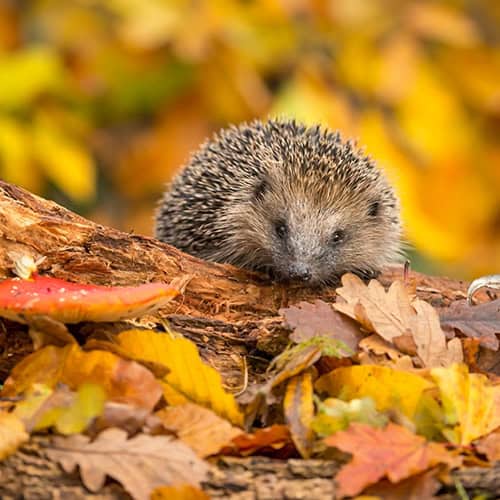
With autumn in full swing, homeowners are being encouraged to help hedgehogs where possible.


The team here at TDP are reminding you that hedgehogs need extra support during October, as they start building up their fat reserves for hibernation.
Hedgehogs are vulnerable wildlife, nearly a quarter of them that are born during June and July die before leaving their nest, and half of the rest do not survive to adulthood.*
During October they need to eat enough insects, worms and other food to gain weight to help keep them warm during hibernation. Young hedgehogs who were born late sometimes need extra support as they’re likely to struggle to gain enough ample weight before the winter.
The British Hedgehog Preservation Society says that hedgehogs that have not gained enough weight on their own to survive the winter by the end of October may need rescuing.**
To help this furry wildlife as much as possible, we should consider creating safe spaces for hedgehogs in the garden by leaving one area untidy with logs and leaves or by having a dedicated hedgehog house.


Kym Barlow, TDP Director, said: “Hedgehogs are still active in October and won’t enter hibernation until November or even later. At this time of year they’ll be searching for food to help them gain weight so they can stay warmer during the winter.
“Hedgehogs can really struggle in the autumn – cold and rainy weather makes food harder to find and they also have to travel across roads to reach different gardens in search for food, which can put them at risk of getting hit by cars.
“There are a few simple things you can do to help them and one of the easiest ways is to leave out fresh water and keep a small corner of your garden untidy for them to rest in.
“Hedgehog houses are another great way to provide them with shelter. As an extra tip we like to add a couple of leaves inside for some extra warmth.”
How to help hedgehogs in October:
Provide food
Building fat reserves is crucial for hedgehogs during this time of year. While they love insects such as beetles, earwigs and caterpillars, you can also leave food out for them. This includes specially made hedgehog food or meat-based cat food or dog food.
Leave out fresh water
Hedgehogs will also need access to fresh water every day so provide them with a shallow dish and replace the water daily. Don’t forget to clean it regularly and place it somewhere sheltered and accessible.
Provide shelter
Leave piles of dry leaves, logs and branches in a quiet and undisturbed part of the garden to provide hedgehogs with a warm place they may want to hibernate in over the winter. If you have a hedgehog house, you can also place leaves inside for extra warmth.
Avoid pesticides
Since pesticides kill insects, it reduces the food supply for hedgehogs. Avoiding these can provide hedgehogs with more natural food to help them build their fat reserves.
Check the garden before using machinery
Always check the grass, log piles and leaf piles before trimming, mowing or clearing. Hedgehogs could be hiding in these places and you could cause them serious harm by disturbing them, especially in October as they prepare for hibernation.
Further reading
*https://www.britishhedgehogs.org.uk/helping-hedgehogs-2/
**https://www.britishhedgehogs.org.uk/autumn-juveniles/
https://www.woodlandtrust.org.uk/blog/2026/08/what-hedgehogs-eat/